
 会議棟 101

HOME
MY PAGE


イベントトップに戻る
セミナースケジュール
Dec.19_15:30_SCCの展望と進捗報告 ~半導体業界による気候変動への取組み
カテゴリー > 政策・市場
カテゴリー > サステナビリティ
カテゴリー > Dec. 19
カテゴリー > 翻訳サポート
2023年11月に半導体気候関連コンソーシアム(SCC)が発足して以降、半導体のグローバルサプライチェーンを代表する約90社が参画・協調して、温室効果ガス排出量の把握、目標設定、削減に向けた活動を加速させています。SCC参画企業だけでなく、活動に関心のある企業を交えて、SCCの進捗状況を共有し、意見交換を行います。
※本セッションはSCC参画企業のみご参加頂けます。
SCC参画企業の皆さまはセッション後もお残りいただき、登壇者や他参加者の皆様とのネットワーキングの場を設けますので、ぜひご利用ください。
※プログラムは都合により変更となる場合がございます。予めご了承ください。
プログラムアジェンダ
セッションチェア:
荻野 裕史(東京エレクトロン)
荻野 裕史(東京エレクトロン)
15:30 - 15:40
SEMI SCC 最新情報

Saifi Usmani
SEMI
Global Industry Sustainability Programs
VP
概要文が入ります。
15:30 - 15:40
SEMI SCC 最新情報
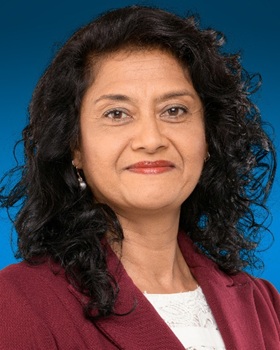
Mousumi Bhat
SEMI
SEMI Global Sustainability Programs
VP
概要文が入ります。
15:30 - 15:40
SEMI SCC 最新情報
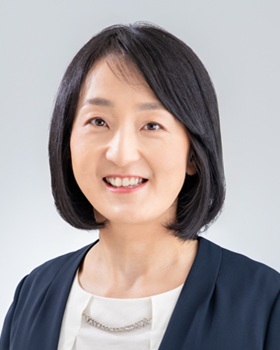
枝 礼子
SEMIジャパン
サステナビリティ・マネージャー
役職
概要文が入ります。
15:40 - 15:50
SIPS Japan Climate WG(1) 材料のGHG排出SGの活動について
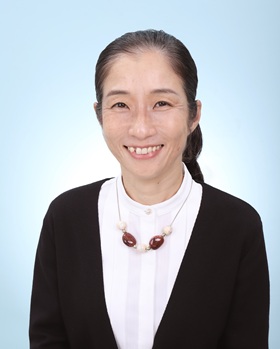
小野 昇子
三井化学
研究本部先端材料・ソリューション研究所研究7Gグループリーダー
役職
SIPS(SEMI International Policy Summit)の日本Climateワーキンググループにおける材料のGHG排出サブグループの活動について報告します。本サブグループでは、日本の素材・部品・装置・デバイスメーカーが参加し、材料のGHG 排出について議論しました。半導体の原料、製造、使用にわたるサプライチェーン全体のGHG排出に対し、材料のGHG 排出はどのくらいを占めるのか、材料の開発によりサプライチェーン全体のGHG 排出を削減できる可能性があるか、今後何が必要か、様々な視点から検討した内容を報告します。
15:50 - 16:00
SIPS Japan Climate WG(2)サプライチェーン上流の取り組みSGの活動について
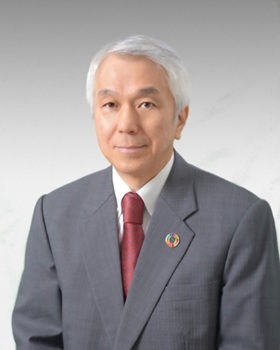
荻野 裕史
東京エレクトロン
サステナビリティ グローバルヘッド
役職
SIPSの日本Climateワーキンググループにおけるサプライチェーン上流の取り組みサブグループの活動について報告します。現在、サプライチェーン上流のGHG排出量データの収集は必ずしも容易ではなく、サプライチェーン全体における環境の取組みにおける課題の一つとなっています。本サブグループで取り組んでいるデータ収集の仕組みづくりや取引先との協働など現実的な解決策の検討内容について紹介します。
16:00 - 16:10
SIPS Japan Climate WG(3) Scope 3 データ精緻化SGの活動について
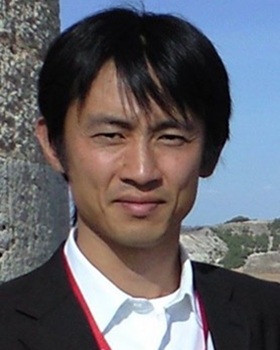
内田 紀行
産業技術総合研究所
部署
役職
SIPSの日本ClimateワーキンググループにおけるScope 3データ精緻化サブグループの活動について報告します。半導体製造に係るGHG排出を把握するためには、Scope3カテゴリー1に分類される製造に用いたウエハ、ガス、薬液などの材料が持つGHG排出量を算出しなければなりません。さらに、これらを精緻化するには、半導体製造に用いるグレードの材料に対して検討する必要があります。
16:10 - 16:20
日本におけるScope2対応 - PPAの最新動向
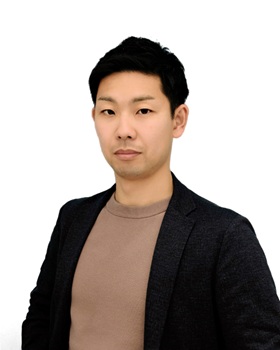
染谷 大貴
自然電力
カーボンフリーソリューションズ本部 GX推進サポートグループ
グループリーダー
Scope2排出量の削減は脱炭素化が求められる企業にとって喫緊の課題です。本講演では、その有効なソリューションであるPPA(電力購入契約)に焦点を当てて網羅的に解説。多様な調達スキームの説明に加え、日本での導入事例や具体的なコスト分析に関する情報を提供します。
16:20 - 16:30
SCC Scope 2 WG update
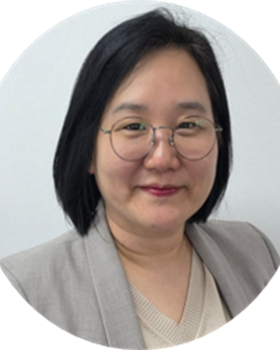
SoYoung Jang
SEMI SEA
部署
役職
概要文が入ります。
16:30 - 16:40
Scope 3 Category 11 ガイドライン

安部 裕一
ERM SuMi TRUSTコンサルティング
部署
役職
概要文が入ります。
16:40 - 16:55
Scope 3 Category 11 ガイドライン
氏 名
社名
部署
役職
※SCC参画企業の皆さまはセッション後もお残りいただき、登壇者や他参加者の皆様とのネットワーキングの場を設けますので、ぜひご利用ください。
AI x Sustainability x Semiconductor Summit Emerald Sponsors

AI x Sustainability x Semiconductor Summit Sapphire Sponsors